
Municipalism is the Antidote to Fascism
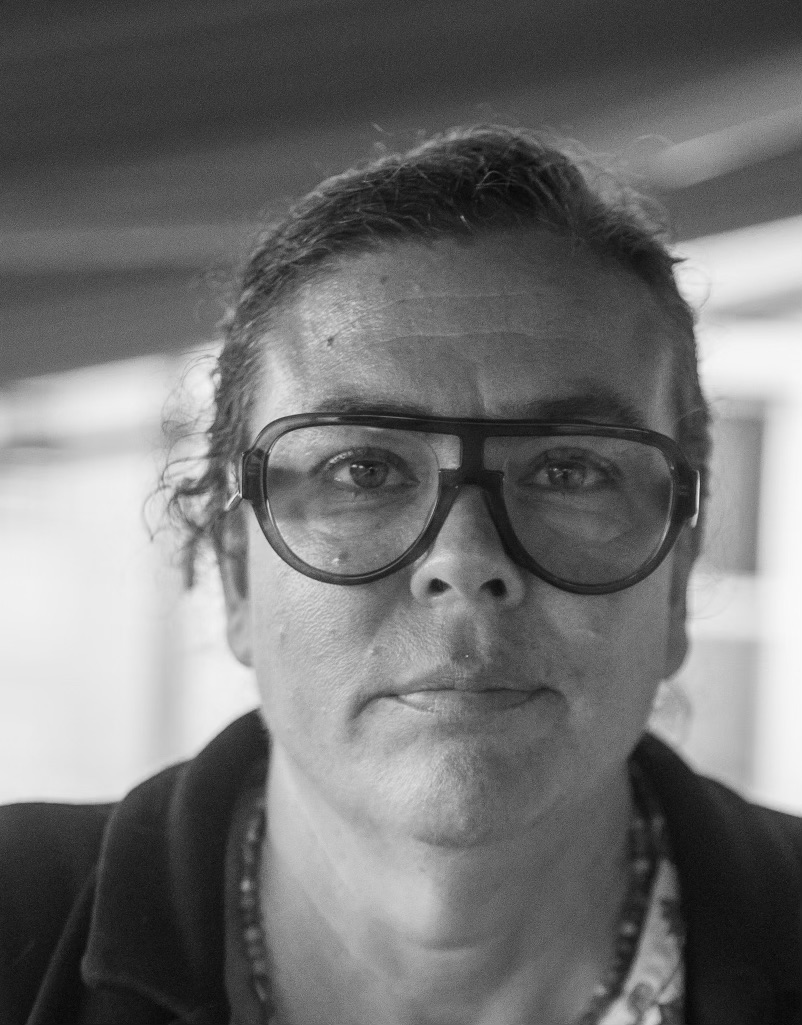
My work involves curating cohorts of civic leaders– mostly women of color, and creating spaces for them to collectively explore a higher vision of democracy. Some of us are elected officials, some government administrators, some community activists, most of us work at the local level, mostly in hostile environments where the daily goal is to prevent even one terrible thing from happening in our communities. Having a space where we are asked to think aspirationally about democracy is uncharted territory for us— uncomfortable and liberating. So we squint and catch a glimpse of what might be possible for this beautiful multi racial America, currently trapped in the absurd grasp of fascism.
As leaders working at the local level, we know that democracy starts with the people we know and the people we share our schools, supermarkets, and places of worship with. We know that municipalism is the antidote to fascism, because if you look, you can find examples of people in local contexts doing incredible anti-fascist work every single day. If a couple of dozen street vendors in LA can chase away a gang of ICE agents, if Tucson can restrict data centers from accessing their scarce water supply, if Kansas City can stop the construction of any ICE detention facilities for the next five years, then yes, we can absolutely hack the federal onslaught of fascism through our power in our cities and counties.
The feminist author Rebecca Solnit recounts a story about someone in an audience saying they don’t want to have hope, because they don’t want to be disappointed. Solnit said “that’s fine, you don’t have to call it hope, how about calling it never f***ing giving up.” She states that hope wrestles first with the radical uncertainty of the future. Hope then, is choosing to take an action today because we believe that it is possible that the future can shape up to be better than the present, and, what we choose to do today, we are best suited to do at the local level where we know our neighbors, have social capital, and are able to organize around our concerns and take action swiftly. At this level, a few people with big ideas and a love of community can make impactful change in how their government works.
In the US, at least 64 cities and counties have used Participatory Budgeting, a process through which a percentage of the jurisdiction’s budget is allocated for the community to decide how to spend. This starts with asking the community for proposals for potential projects. Residents deciding in a direct way how their tax dollars will be spent. Newer to the US, but also happening in a handful of local jurisdictions are Civic Assemblies, a process by which a group of residents representative of the whole community, selected by lottery much like a jury, is tasked with learning, deliberating, and making decisions about an intractable problem that the local government has not been able to solve.
In a vast and dangerously polarized US, these practices are making generational impact, because locally sourced solutions are offered to local problems, based on the expertise of the broader community, with the support and commitment of the government that represents them. Locally and community sourced solutions have the wellbeing of the community’s children at heart.
These models seed little schools of democracy, for every day practice. If we want to be a demos — the people as a political unit, whose politics takes care of the people, then we are required to build our democratic muscle and endurance as a regular practice. Through these processes and practices at the local level we learn how to learn together, how to talk with each other across differences, and how to make decisions together despite those differences. We learn how to democracy together. We can start implementing at the local level in each of our communities today. We will never have a democracy at the federal level if we don’t have it at the local level.


Comments