
We Cannot Save a Democracy We Never Truly Had
- Maria Perez
- May 27
- 3 min read
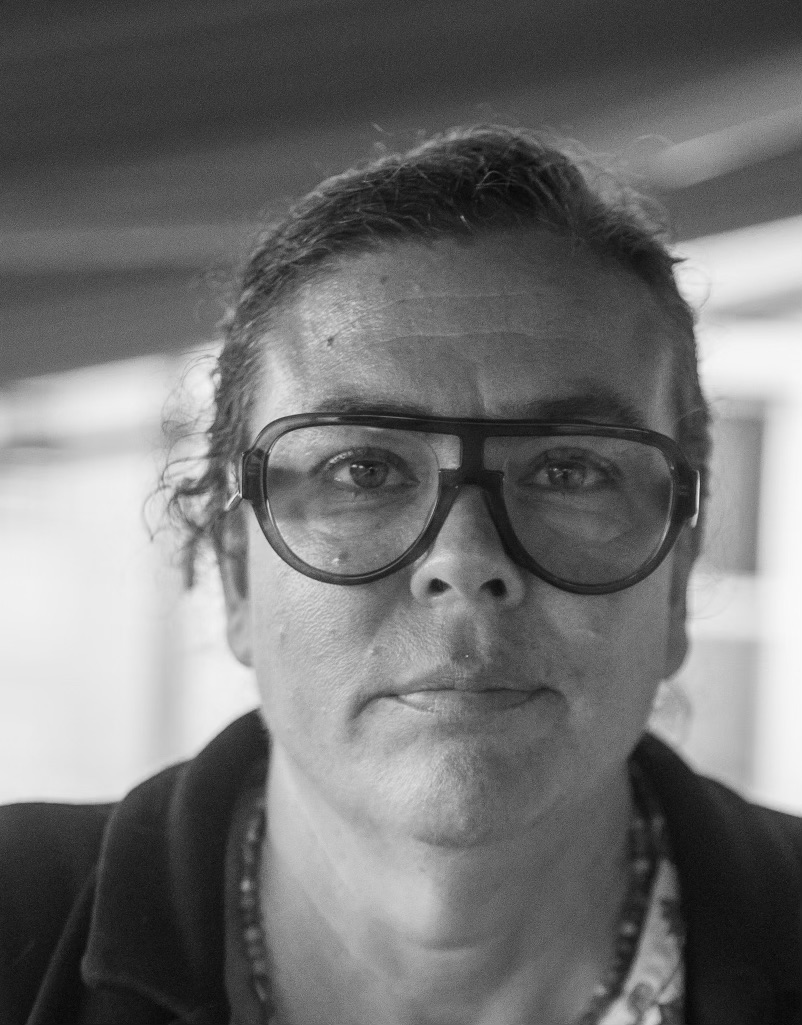
Two weeks ago, I stopped scrolling when I saw the heaviness in Sherrilyn Ifill’s eyes.
The former president of the NAACP Legal Defense Fund was speaking after the Supreme Court’s decision in Callais, the latest ruling dismantling the Voting Rights Act. Before she answered the interviewer’s question, she exhaled deeply several times, as though she was trying to steady herself against history repeating in real time. I felt that grief immediately.
Ifill was born just before the Voting Rights Act became law in 1965. Her life’s work has been devoted to defending the very legislation that made the United States something closer to a real democracy than it had ever been before. And now, within her lifetime, she is watching that law be gutted piece by piece by the highest court in the country.
During Reconstruction, there were eight Black members of Congress. Then, Jim Crow crushed Black political participation for generations, reducing that number to zero. It was only after the Voting Rights Act that Black representation in Congress began to rise again. By 1969, there were ten Black members of Congress. Today, there are 67, which is roughly proportional to the Black share of the population, the result of decades of organizing, litigation, and federal protections against racial discrimination in voting. That progress is exactly what this extreme MAGA-filled Court is targeting. And we can’t let history repeat itself.
Many people are now calling for reforms: expanding the Court, constitutional amendments, anti-gerrymandering measures, electoral reforms. I support all efforts that reduce harm. But we also have to tell the truth about the deeper crisis we are living through.
For 250 years, we have treated democracy in America like a game of whack-a-mole, beating back each new voter suppression law, each racial backlash, each attack on representation just enough to keep the system alive. But harm reduction is not the same thing as being in good health.
Before I worked in democracy organizing, I worked in public health and primary care. That background shapes how I understand this moment. If American democracy were a patient, the diagnosis would be grim. And the first step to healing is being honest about your illness.
The country was born with a disease: white supremacy. At several moments in our history, we administered emergency treatment. For a time, the patient - our country - stabilized. But the disease was never cured. It metastasized. What we are witnessing now is no longer a temporary fever. It is a late-stage crisis, which demands something more courageous than nostalgia for a democracy we used to have that didn’t truly work for all Americans.
So the task before us is larger than preservation.
We must imagine and build a democracy that truly works for us all: One where representation is real, not fake; where voting is universal and accessible, not discriminatory and cumbersome; where government responds to the needs of the all the people, not just the needs of the wealth and politically-connected privileged few; one where courts actually represent all of us and aren't captured by hateful partisan ideology.
That future will not emerge from institutions that are collapsing under the weight of their own contradictions. It will come from people organizing beyond the limits of the current system and refusing to mistake survival for freedom.
The grief in Sherrilyn Ifill’s face mattered because it reflected the end of an era. But grief is also clarifying. It forces us to stop pretending. Something is dying in this country. Our responsibility now is not to mourn the illusion of a democracy we never fully had. It is to fight for one we have never seen before.


Comments